
India’s T20 World Cup Triumph: A Hollywood Ending
Cricket’s Grand Stage Delivers Drama
Cricket’s bid to captivate the United States concluded with a climax worthy of Hollywood. In a script filled with twists and a final dramatic turn, India snatched the T20 World Cup title from the jaws of defeat, reminding us of the poignant narratives of past tournaments. This victory was not just a triumph but a spectacle of redemption and catharsis, especially for a team haunted by near misses and heartbreaks in recent World Cups.
The Emotional Rollercoaster of the Final
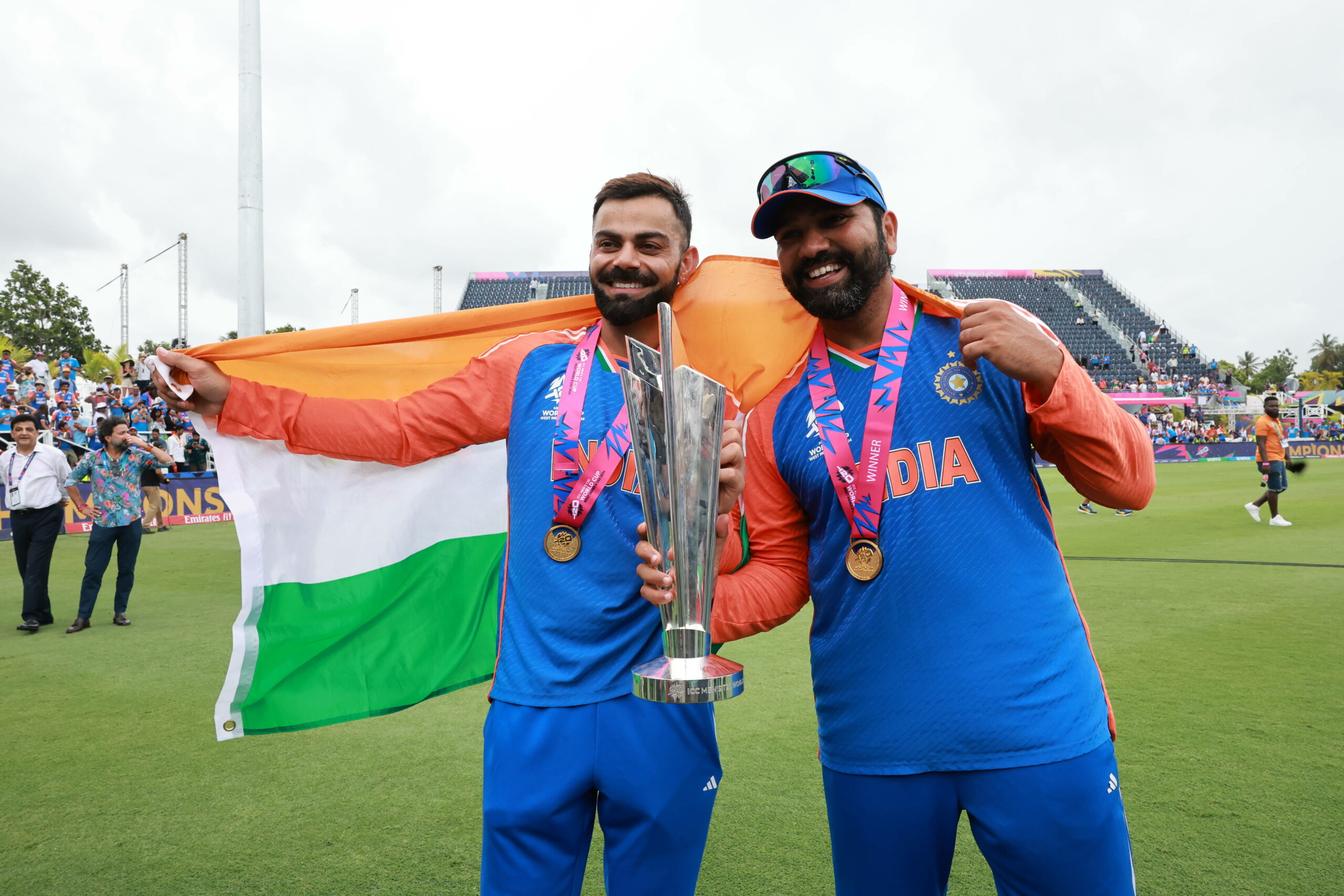
South Africa, carrying the burden of their World Cup past filled with misfortunes—from Allan Donald’s infamous run-out in 1999 to the rain-soaked heartache in Sydney—faced off against an Indian team eager to rewrite their own story. The final unfolded as a battle not just for the trophy but against historical demons. In the end, the image of Virat Kohli embracing Hardik Pandya and Rohit Sharma collapsing to the ground in jubilation captured the emotional release of a nation’s long-held aspirations finally fulfilled.
Kohli and Rohit: The Heroes of the Hour
Virat Kohli, who has been a supporting actor in past triumphs, emerged as the leading man in Barbados. His first-over flick onto the roof of the Sir Garfield Sobers pavilion was a stroke of genius that will be replayed for years to come. Rohit Sharma, too, authored his own redemption arc. Having felt the acute sting of defeat in last year’s 50-over World Cup, Rohit found his vindication, his innings in the final serving as a crowning glory.
South Africa’s Continued Heartbreak
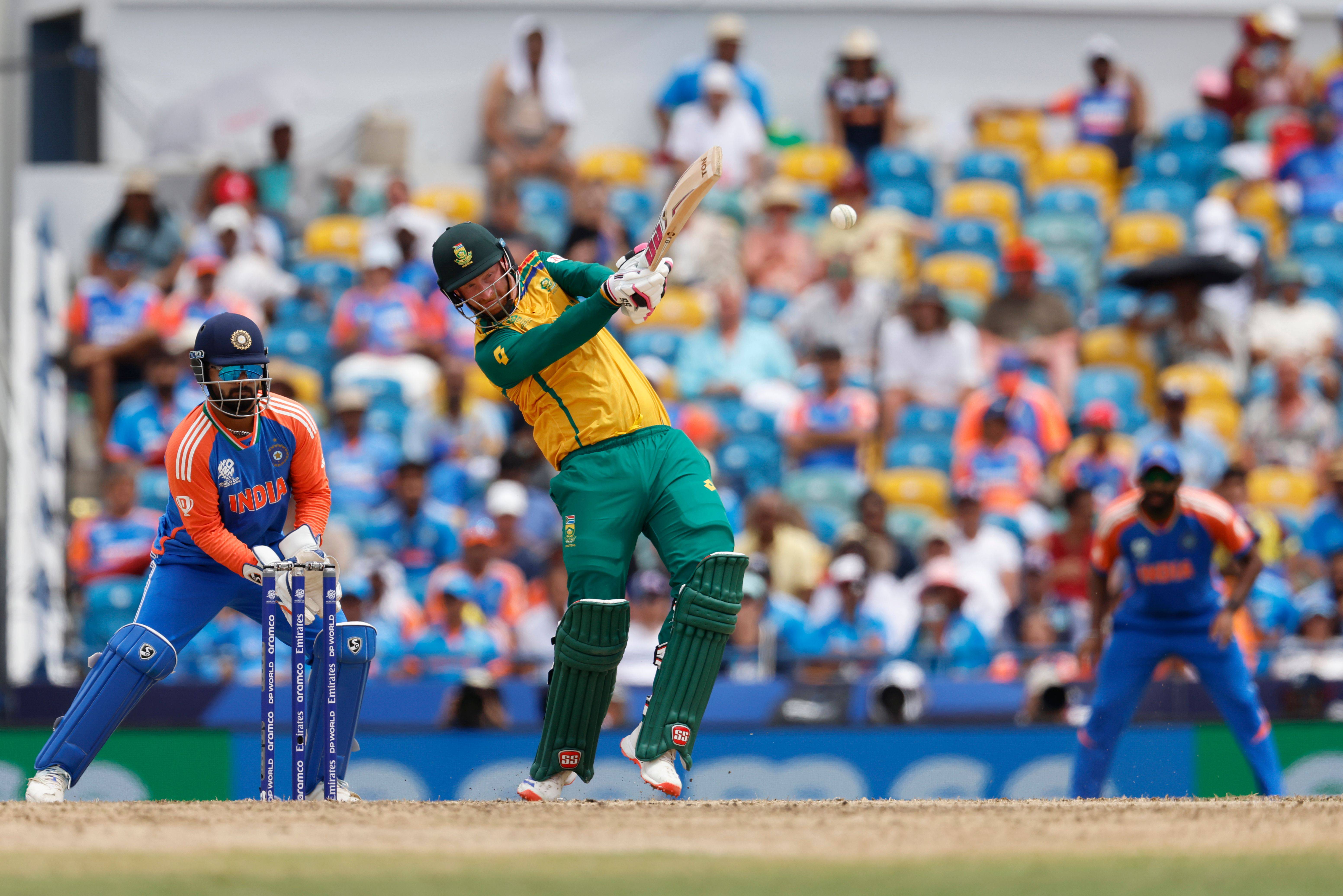
The narrative for South Africa, however, remains one of tragedy. The Proteas, so close to altering their legacy of ‘chokers’, watched another World Cup slip through their fingers. Heinrich Klaasen’s valiant 52 off 27 was almost the match-winning performance, but it wasn’t to be. The scenes of David Miller and Klaasen, overwhelmed by defeat, were poignant reminders of the thin line between glory and despair in sport.
The Mastery of India’s Bowling and Strategic Prowess
Jasprit Bumrah reaffirmed his status as one of cricket’s premier bowlers with a masterclass in the final, his figures of 2-18 off 24 balls instilling fear in batsmen worldwide. Kuldeep Yadav, despite an off day in the final, was instrumental throughout the tournament, showcasing why he is considered the game’s leading spinner. When the pressure mounted, Rohit turned to his reliable all-rounder Hardik, who delivered decisively, contrasting sharply with South Africa’s Marco Jansen who faltered under pressure.
Celebrations and Reflections
As India celebrated, the victory was more than just about cricket; it was a testament to strategic brilliance and mental fortitude. The celebrations in the stands, filled with fans who had travelled thousands of miles, mirrored the euphoria across a nation where cricket is less a sport and more a way of life.
Broader Implications for the T20 World Cup
The T20 World Cup, now truly global with 20 teams, brought not only competitive cricket but also refreshing narratives from teams like Uganda, Papua New Guinea, and the USA, adding layers to the cricketing folklore. Despite the presence of one-sided matches, the tournament’s success was underscored by iconic victories and individual brilliance that outweighed the fleeting moments of disparity.
Looking Forward
As cricket continues to evolve, the lessons from this World Cup will resonate far beyond the immediate euphoria of victory. The strategic nuances, the emotional narratives, and the global embrace of the game highlight a bright future for cricket, spearheaded by a triumphant Indian team and a tournament that has captivated the world.
In the final analysis, it was India’s name that was illuminated in lights, a fitting tribute to a team and a nation that lives and breathes cricket. This T20 World Cup was not just a series of matches; it was a narrative of triumph, emotion, and the global spread of cricket.


