
Jamie Smith’s Bold England Call: A Visionary Gamble?
England’s Surprising Selection Move
The decision to select Jamie Smith over the more established Ben Foakes and Jonny Bairstow for England’s cricket team has indeed been a staggering one. As reported by Michael Vaughan in The Telegraph, this bold move seems aligned with a strategy aimed squarely at preparing for next year’s Ashes, despite its break from conventional wisdom. In cricket, as in any sport, it’s the results that will ultimately judge the wisdom of such decisions. Yet, even against a backdrop of recent underwhelming performances, including a failed Ashes bid and disappointing World Cup campaigns, the management’s penchant for risk to sculpt a future victorious team is clear.
The Rationale Behind Smith’s Selection
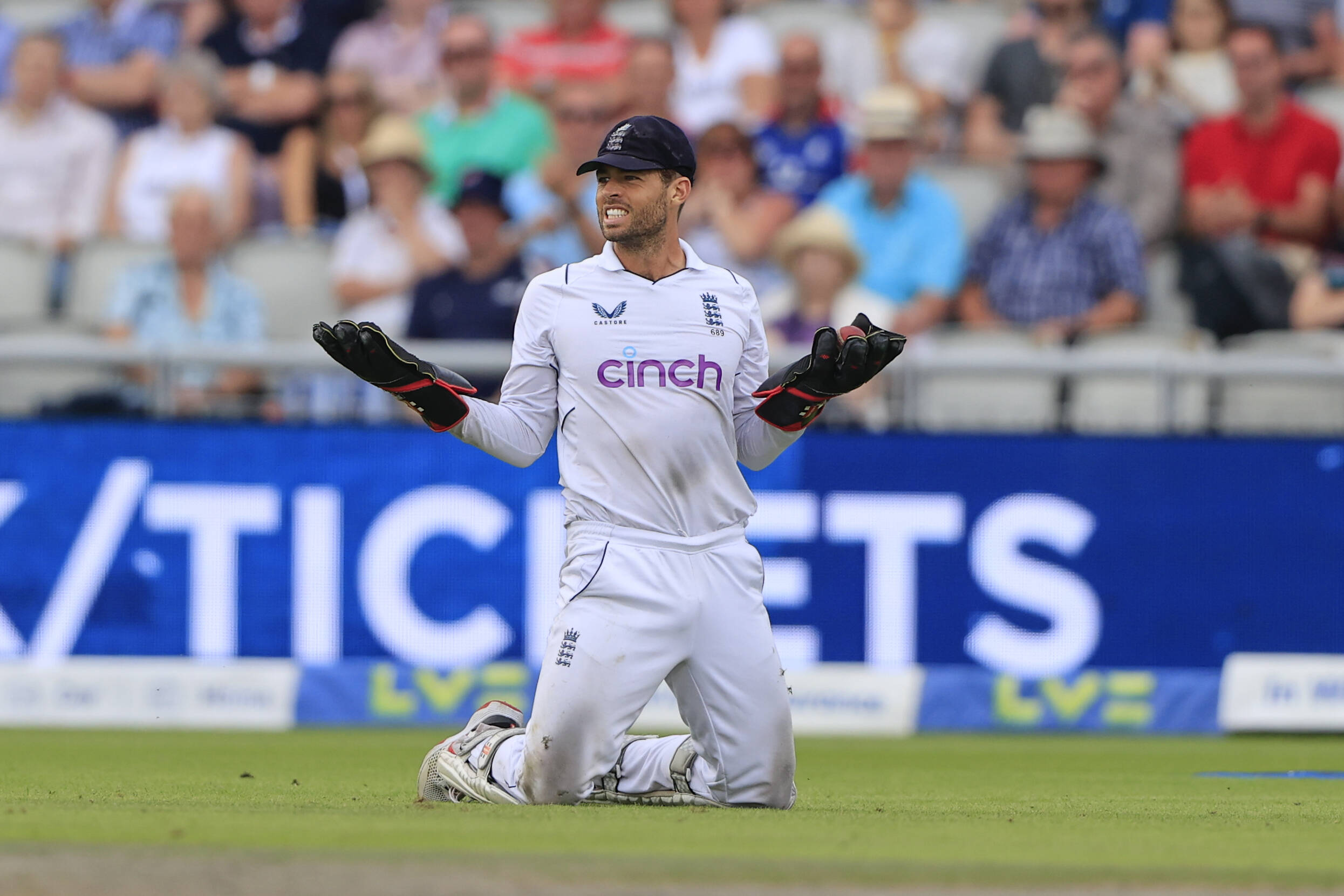
The inclusion of Jamie Smith, known for his explosive batting but less so for his wicketkeeping, over Foakes, who has been lauded as potentially the world’s best wicketkeeper, indeed raises eyebrows. This decision might seem nearly comical if it weren’t so indicative of a deeper strategic shift under the leadership of Ben Stokes and Brendon McCullum. They envision an aggressive batting lineup capable of turning the pressure back onto bowlers, particularly in high-stakes environments like Australia. Foakes, despite his proficiency behind the stumps, has struggled with the dynamic batting style Stokes and McCullum favour.
The Ashes: A Future Focused Strategy
The management’s strategy is clearly long-term, with 17 Test matches to prepare Smith for the rigours of an Ashes series in Australia. Smith’s batting prowess is not in question; it’s whether his wicketkeeping can withstand the intense pressures and physical demands of Test cricket that remains to be seen. This preparation phase is not just about skill but about resilience—mental and physical—and the ability to recover swiftly from on-field setbacks.
Lessons from Past Selection Gambles
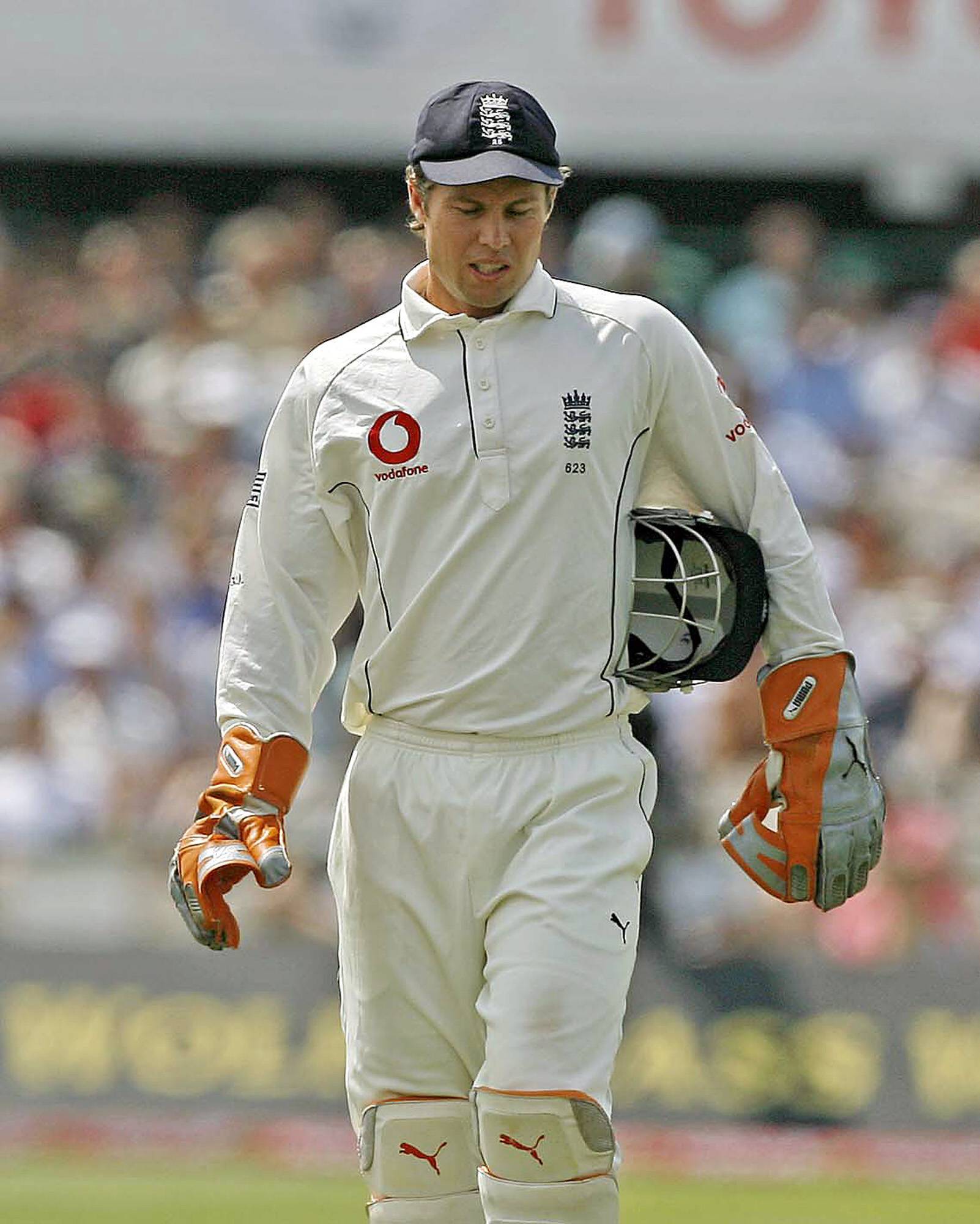
This isn’t the first time England has prioritized batting strength over specialized wicketkeeping skills in their lineup. The comparison to the early 2000s when Chris Read, an exceptional wicketkeeper, was overlooked in favour of the stronger batsman Geraint Jones, is apt. That decision was similarly controversial but was made with an eye toward bolstering the batting lineup. The strategy reflects a broader philosophical approach that sometimes, particularly on less challenging wicketkeeping tracks, the additional runs a batsman can contribute outweigh the incremental gains from a specialist wicketkeeper’s flawless performance.
Cautionary Notes and Future Challenges
While England is expected to dominate the upcoming home Test series and has historically performed well against teams like Pakistan and New Zealand, the true test of this strategy will come in more challenging conditions. The judgment of this bold selection will indeed come later, as Vaughan notes. Mistakes behind the stumps have cost England dearly in the past, as seen in Bairstow’s errors during last year’s Ashes. Similarly, Foakes’ performance in tight games has proven pivotal—his excellence was a significant factor in England’s win in Hyderabad earlier this year.
In conclusion, England’s cricket setup under Stokes and McCullum is nothing if not brave and entertaining. Their readiness to defy traditional selection norms and bet on the long-term development of players like Jamie Smith is a gamble that could redefine the team’s future success or underscore its overzealous audacity. As ever in cricket, only time will tell if this daring move will lead to Ashes glory or add another chapter to England’s book of ‘what-ifs’. The cricketing world will watch with bated breath as this strategy unfolds over the coming months, leading up to a pivotal confrontation in Australia.


